
Why Do I Have Lots of Clothes but Nothing to Wear?
Oct 19, 2026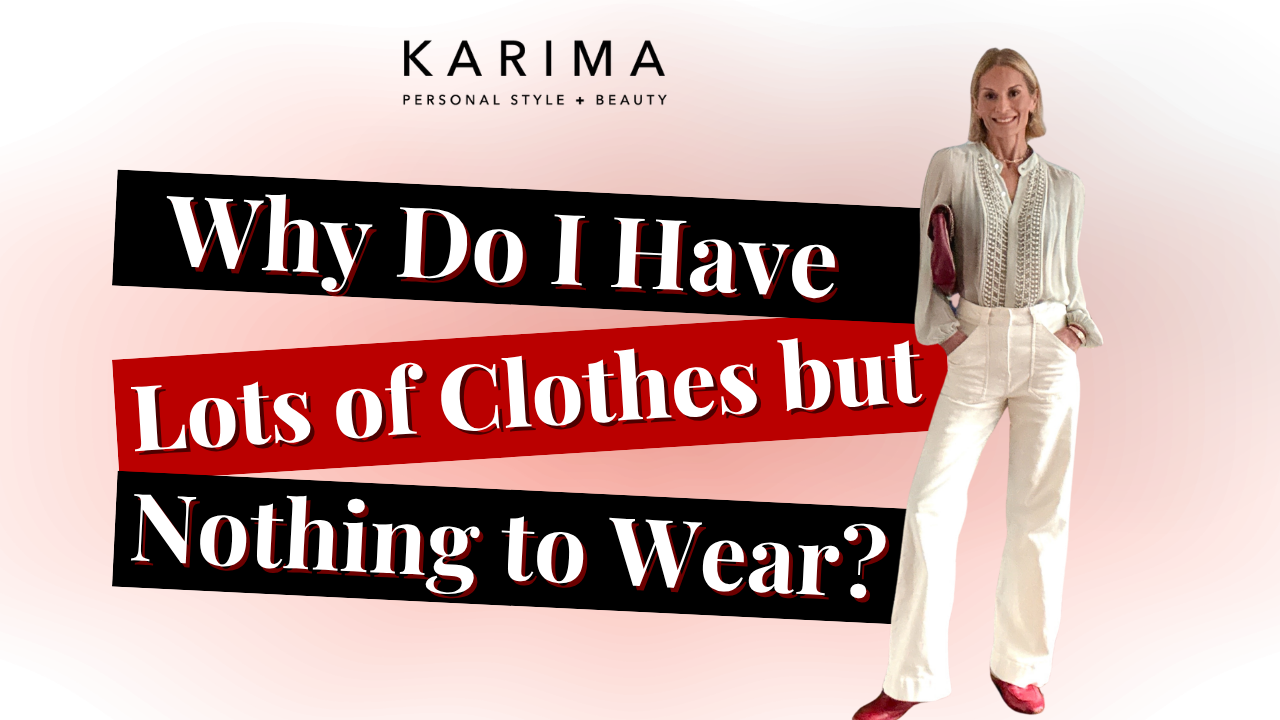
Having lots of clothes but nothing to wear is a common wardrobe frustration. You might own plenty of outfits yet struggle to find combinations that suit your lifestyle, feel comfortable, and reflect your personal style. The problem often isn't how much you own, but how well your clothes work together. With a few thoughtful changes, you can make better use of your existing wardrobe without constantly buying new clothes.
Why Can a Full Closet Still Leave You Feeling Stuck?
Opening a packed wardrobe and feeling like you have nothing to wear can be frustrating, especially when you've spent money on clothes you genuinely liked. The problem often shows up when you try to put an outfit together. A top looks good on its own, your favourite trousers don't suit the occasion, and the jacket that would complete the look doesn't go with either.
Sometimes, your clothes reflect different versions of your style. You might own pieces you bought for trends, special occasions, or a lifestyle that no longer fits your routine. Individually, those items aren't necessarily bad purchases, but together they don't give you many outfits that feel right today.
The answer isn't automatically to buy more or throw everything away. Start by noticing which combinations work, which pieces you keep avoiding, and where you get stuck while getting dressed. Those patterns can tell you far more about your wardrobe than the number of clothes hanging in it.
What Is Really Going On?
Having lots of clothes but nothing to wear usually comes down to five causes: fit that has drifted, pieces that never pair, buying for an imagined life, trend-led impulse buys, and a closet too jumbled to see.
- Fit drift: Bodies change and so do tastes. Clothes that almost fit sit there as reminders of a past or future you, and you never reach for them.
- Orphan pieces: That gorgeous top that goes with nothing you own. Alone it's a purchase; with partners it becomes an outfit.
- Imagined life: Party dresses for a social calendar you don't have, gym kit for the routine you'll start Monday. We buy for the life we'd like, then dress for the life we have.
- Impulse buys: Sales, stress and scrolling make one-off purchases feel like treats. They rarely join the weekly rotation.
- Visual clutter: If you can't see it, you won't wear it. A packed rail hides your best pieces behind the loudest ones.
Which Cause Is Yours?
Match your daily frustration to the likely cause. The table below turns common "nothing to wear" moments into a quick diagnosis and a first move you can make this week.
| Your moment | Likely cause | First move |
|---|---|---|
| Everything feels tight or off | Fit drift | Try on all bottoms and set aside what doesn't fit today |
| Plenty of tops, can't finish an outfit | Missing wardrobe basics | List the plain pieces you lack, like a good tee or neutral trousers |
| Great pieces, nothing matches | Orphan items | Pair each with two others; if you can't, mark it for resale |
| Dressed up in your head, leggings in real life | Imagined life | Store the occasion wear and make room for your real week |
| Can't find what you know you own | Visual clutter | Group by type and colour, and hang favourites at eye level |
Why Are Wardrobe Basics the Missing Piece?
Because they're the glue. Wardrobe basics are the plain, well-fitting pieces like tees, jeans and simple layers that connect your statement items, so nothing you own gets left standing alone.
Here's a distinction most guides skip. Basics are generic, but wardrobe staples are personal: the pieces you've worn to death because they just work. For one person, that's a denim shirt; for another, a black slip dress. Basics give you a foundation, and your staples give you a signature.
What Does a Functional Wardrobe Look Like?
A functional wardrobe makes getting dressed easier because your clothes fit well, work together, and suit your everyday routine. Instead of struggling to create an outfit each morning, you have reliable combinations ready for work, errands, social plans, and other regular activities.
Think of your everyday wardrobe as the bulk of your life that isn't a wedding or a gala: work, errands, school runs, coffee with friends. When that part of your closet is strong, the occasional special outfit is easy to piece together.
Try this quick check. Could you dress for all of next week using only what's in front of you? If yes, you're closer than you think. If not, the gaps you find become your shopping list.
How Does Outfit Planning Help?
It removes the morning guessing. Outfit planning means deciding what you'll wear ahead of time, so you stop making fresh decisions when you're tired, rushed, or staring at a rail of maybes.
It doesn't need to be fancy. Photograph combinations that worked and save them in one folder. Build most outfits around two or three wardrobe staples, then rotate the rest around them.
Within a month you'll have a personal lookbook. "Nothing to wear" slowly turns into "which of these today?", and that small shift makes mornings feel lighter.
How Do I Make My Existing Clothes Work Better?
Follow six steps over a couple of weekends: try everything on, sort by real wear, find your staples, fill the basics, plan outfits, then review. No big purge, no panic buying, just steady progress.
- Try it all on. Pick one session, good light, a mirror. Anything that doesn't fit today goes into a "not now" bag, no guilt attached.
- Sort by real wear. Make three piles: worn this season, loved but unworn, and "why do I own this?" Count how many pieces serve your everyday wardrobe versus events you rarely attend.
- Spot your wardrobe staples. Look for what you reach for again and again, then note the colours, cuts and fabrics they share. That's your style, hiding in plain sight.
- Fill the basics. Add only what's missing, so your staples and statement pieces can finally mix. Choose fit and fabric over trend.
- Plan five outfits. Start outfit planning small: five looks, laid out or photographed, ready for the week ahead.
- Review in a month. Note what you wore and what you skipped, then adjust instead of overhauling. Each round shrinks lots of clothes but nothing to wear into a handful of clear, fixable gaps.
What Should I Do With Pieces I Don't Wear?
Give them a next life. Resell what's in good shape, donate what's clean, repair what's nearly there, and swap with friends. Anything beyond rescue can go to textile recycling instead of the bin.
Here's a simple rule. If you've kept something "just in case" for a long time, ask yourself whether it still serves a purpose in your life. Consider how often you'd realistically wear it, whether it fits, and whether it's worth keeping for a specific occasion. Let go of items that no longer meet your needs.
Can Feelings Make It Worse?
Absolutely. Stress, comparison, and body changes can make a perfectly good closet feel wrong, so you can have lots of clothes but nothing to wear on days when it's really your mood doing the talking.
Have you noticed it's worse before big events, after a rough week, or after scrolling through other people's perfect outfits? Those are signals, not style failures. Pause, reach for your most comfortable go-to look, and sort the closet later when you're calm.
Little extra: Decision fatigue is real. The more choices you face in a day, the harder each one gets, which is why a small, trusted set of pieces can feel like relief.
FAQs
Why do I have nothing to wear even after a big clear-out?
Decluttering removes clothes you don't need, but it doesn't automatically make the remaining pieces work together. You might still be missing everyday basics, suitable shoes, or layers that complete an outfit. Before shopping again, look at where your outfits fall short and identify the pieces that could connect everything.
How many clothes do I actually need?
Think in outfits rather than counting individual items. If your wardrobe gives you enough combinations for work, casual days, social plans, and other regular activities, you may already have plenty. The right number depends on your lifestyle, laundry routine, and personal preferences, not a fixed clothing count.
Should I buy more or declutter first?
Try everything on and sort through your existing clothes before buying anything new. This helps you see what fits, what you actually wear, and what might be missing. Once you've identified your wardrobe gaps, make a short shopping list and set a budget to avoid adding pieces you don't need.
How do I make my everyday wardrobe more comfortable without looking sloppy?
Look for clothes that feel comfortable while keeping their shape. Relaxed trousers, thicker jersey tops, well-fitting jeans, and simple layers can make everyday outfits feel effortless without looking untidy. Pay attention to fit, fabric, and condition, and finish with shoes or accessories that bring the outfit together.
Is it okay to keep clothes for when my size changes?
Keeping a few meaningful pieces is fine, especially if you have room for them. However, holding on to too many clothes for a possible future can leave you with less space for the wardrobe you need today. Choose a small number to store and let go of the rest if they no longer serve you.
How long until my closet feels better?
You may notice a difference after one focused wardrobe sort and a session trying new outfit combinations. Building better shopping habits and learning what works together takes a little longer. Give yourself a few weeks to experiment with your clothes before deciding what else your wardrobe needs.
Ready to Stop Saying "I Have Nothing to Wear"?
Karima Elhakkaoui helps you understand your personal style, make better use of your existing clothes, and build a wardrobe that works for your everyday life.
Discover how thoughtful wardrobe choices can make getting dressed simpler and more enjoyable. Reserve your free masterclass spot today.
Author