Menopause Weight Gain & Your Wardrobe | Karima El-Hakkaoui
Oct 13, 2026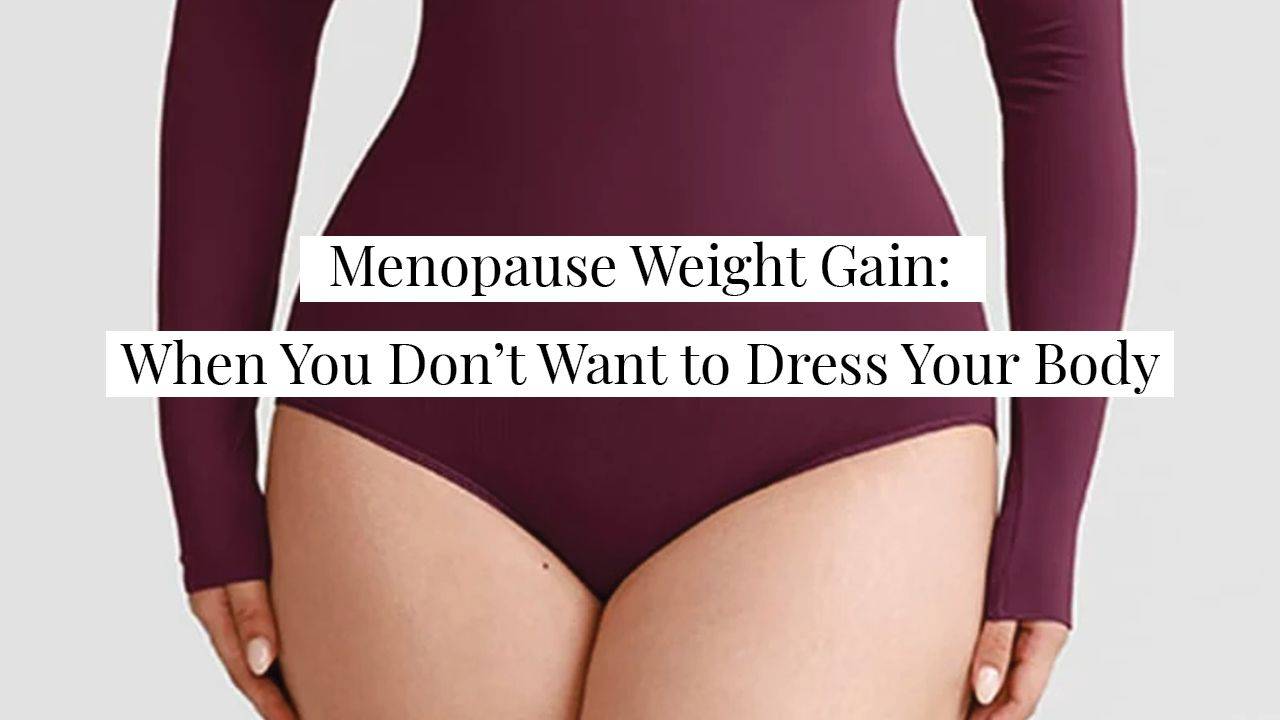
Menopause Weight Gain: When You Don’t Want to Dress Your Body
Yesterday, a client said something to me that I haven’t stopped thinking about.
“I hate my body. I don’t want to dress this body.”
She’d gained around 20 pounds during menopause. She told me she ate well and worked out every day. And she was deeply unhappy. But only unhappy with her body, not her life in general.
She didn’t want to buy clothes for this body. She didn’t want to try things on. Even going into her closet to decide what to keep had left her feeling angry, sad and deflated.
As a personal stylist. I was there to help her with her wardrobe.
But before we could do that, I needed to understand what opening that wardrobe felt like for her.
When your closet makes you feel worse
Normally, a wardrobe edit is quite a process.
We go through every piece. Does it fit? Do you like how it looks on you? Does it work for your life now? Does it reflect how you want to show up?
There’s a lot of trying on, making decisions and building outfits. It can be physically tiring. And when your clothes remind you of a body you miss, it can be emotionally exhausting.
I’d already heard how upsetting the first part of the closet cleanse had been for her. When I arrived, I could sense that pushing through a big edit would be too much.
So I changed the plan.
We went into her closet gently. She showed me pieces she liked. I looked at the colors, the silhouettes and what she was drawn to. I started building a picture of her style without asking her to make a hundred decisions about clothes she no longer wanted to wear.
That is part of my job, too. Knowing when to slow down.
“But you look beautiful” doesn’t always help
To me, she looked amazing.
I thought she was beautiful. I thought her body looked fantastic.
But my opinion wasn’t going to erase what she’d just told me.
When someone says she’s deeply unhappy in her body, telling her she looks great can be well meant and still leave her feeling unheard.
I wanted to take her seriously.
Menopause is a bitch. And the changes women experience in midlife deserve more than a cheerful “Just love yourself!”
There’s also more going on than hormones alone. The Menopause Society explains that aging is the main driver of midlife weight gain, while menopause changes where fat is stored, often around the abdomen. Muscle loss, sleep and other factors can also contribute.[1]
Knowing that doesn’t magically make your trousers fit. But it matters when you’re wondering why your body has changed.
Why my perspective has changed
My feelings about this have changed so much over the past six years.
Watching my husband live with cancer, and then watching him die, changed the way I see life. The illness, the loss and learning to live without him have made me understand how fleeting our time here really is.
You can know that life is short. And then you can live through something that makes you feel it in every part of you.
Before all of this, I might have thought, “Just exercise and eat well. You don’t need to take a GLP-1.”
Now, I want to listen more closely. I want to understand what someone is living with, what she has already tried and what might help her.
I want people to live their happiest, fullest, most joyful lives possible. To feel aligned with who they are. To feel at home in themselves. To enjoy being here.
Because how you feel about yourself can affect so much.
When you feel good, you might walk into a room differently. You look up. You start a conversation. You feel more open to people, to possibilities, to life. You put that energy out into the world, and often people respond to it. That connection makes you feel good, too. It becomes a cycle.
And when you feel deeply uncomfortable in yourself, you might withdraw. You might turn down the invitation, avoid the photograph or spend the evening worrying about how you look instead of enjoying the people around you.
You deserve kindness and connection on those days, too. But I’ve seen how much of someone’s attention unhappiness can take up. How hard it can be to enjoy what’s right in front of her.
That’s why I care so much about helping people feel their best. I want more of their life to be available to them. More joy. More connection. More moments when they’re fully there, enjoying themselves.
I don’t want a woman to feel she has to spend years being miserable before she’s allowed to explore support. Whatever that support looks like for her.
We don’t get this time back. And that matters to me in a way it never did before.
Why I asked about a GLP-1
I thought carefully before asking:
“Have you considered taking a GLP-1?”
I had never asked a styling client that before.
She said no. As we talked about the possibility, I saw a shift. There was a feeling of hope. Something she hadn’t considered.
I want to be careful about what that moment means.
Her relief was real. It wasn’t evidence that medication was medically appropriate for her, or that it would solve everything she was feeling.
I’m a stylist and a certified personal trainer. I’m not a prescribing clinician. Eating well, exercising regularly and gaining 20 pounds aren’t enough for me to determine whether a GLP-1 is a good choice. But I have other clients who, when they came to me, had already taken them and had lost life changing amounts of weight and were so happy with their bodies, that I felt it was worth mentioning.
What stayed with me was how much it mattered to her to feel that there might be support worth exploring.
Can we accept our bodies and still want help?
This is the conversation I want to have.
Can we be kind to our bodies and still want something to change?
Can we want to feel comfortable in our clothes and also ask a clinician about the options available to us?
Does asking for help have to mean we’ve failed at body acceptance?
I don’t think so.
And I don’t think every woman who is unhappy with her body needs medication, either. Support might involve menopause care, help with body image, changes to movement or nutrition, clothes that actually fit, or several of those things together.
We also talked about her workouts and eating whole foods. As a certified personal trainer, I’m interested in supporting strength and wellbeing alongside her goals. Adding more cardio isn’t a promise of faster weight loss. The Menopause Society recommends both aerobic activity and strength training as part of midlife health.[1] But she was already doing weight training, so that's why I suggested more cardio.
You deserve clothes that fit you now
Whatever she decides about medication, I can help her get dressed in the body she has today.
We can find silhouettes she enjoys. We can choose colors that bring her to life. We can make the process gentler when she needs it to be.
She doesn’t have to reach a certain weight before she deserves that support.
Later, she sent me a message thanking me for being understanding, supportive and action-oriented.
I keep coming back to those three words.
Because sometimes, before we can talk about the clothes, we need to listen to the woman who’s wearing them.
What do you think? Can body acceptance and wanting change exist together? If menopause has changed how you feel about getting dressed, I’d love to hear your experience.
And if your wardrobe feels difficult right now, I’d love to help you find your way back to clothes you enjoy wearing. Sending you so very much love for wherever you are right now in your body and life.
Author