
Black Tie Attire for Women: What to Wear to a Formal Event
Sep 21, 2026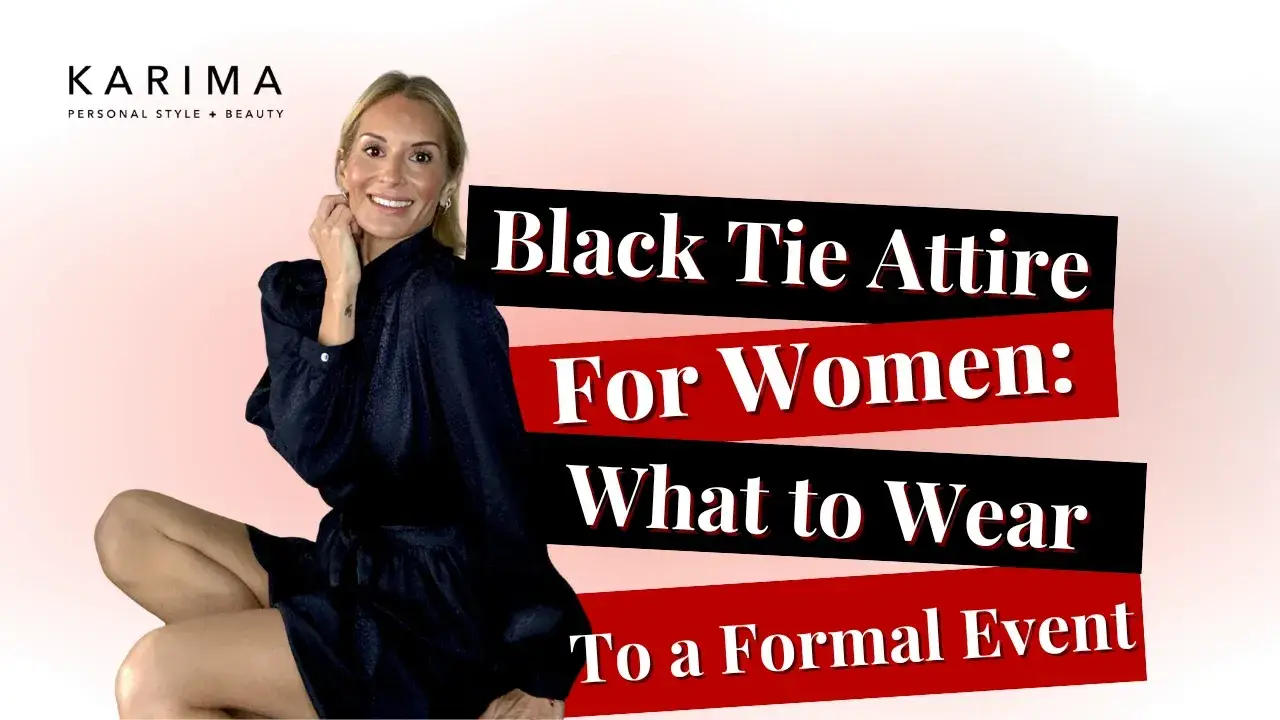
Black tie attire for women calls for a polished evening look, usually a floor-length gown, refined jewelry, formal shoes, and an elegant clutch. A sophisticated midi dress or tailored formal alternative can work when the invitation allows flexibility. The key is to look intentionally dressed for the occasion without letting accessories or trends overpower the outfit.
What Does Black Tie Mean for Women?
The black tie dress code for women signals one of the most formal evening dress codes. A floor-length gown is the classic choice, although some modern events may allow a refined formal dress, jumpsuit, or dressy separates when the invitation provides flexibility.
Black tie is less about wearing a specific color and more about the overall level of polish. Choose an evening-appropriate fabric, an elegant silhouette, and accessories that complement the outfit without competing with it. The goal is to look polished from head to toe.
A simple rule is helpful: if an outfit could easily pass for a casual dinner, office party, or daytime celebration, it probably needs a more formal finish.
Should You Wear a Floor-Length Gown?
For traditional black tie attire for women, a floor-length gown is the safest and most timeless option. It instantly establishes the right level of formality, especially for evening galas, upscale receptions, and grand hotel weddings.
Look for silhouettes that make you feel comfortable rather than simply dramatic. A column gown can look sleek and modern, an A-line shape offers movement, and a softly draped style creates elegance without feeling stiff.
Can You Wear a Shorter Dress?
The black tie event attire for women depends partly on how strictly the host interprets the dress code. A formal midi or sophisticated cocktail dress may be acceptable at some contemporary events, but a floor-length gown remains the strongest default.
The invitation should always win over a generic rule. Some hosts provide their own guidance, including preferred colors, dress lengths, or cultural attire. Follow those details rather than assuming every black tie event follows exactly the same formula.
What Works for a Black-Tie Wedding?
Black-tie wedding attire usually means an evening gown or another unmistakably formal look. Rich colors, elegant textures, and sophisticated silhouettes work beautifully for evening ceremonies and receptions.
A wedding adds one important consideration: your outfit should feel special without competing with the couple. Skip anything bridal-looking, and check whether the invitation mentions a specific palette or cultural dress expectation.
Consider the venue when choosing your shoes. A ballroom invites sleek heels, while a historic property or outdoor reception may call for a more practical formal shoe. Looking elegant does not mean ignoring the ground beneath your feet.
What Is Black-Tie Optional?
Black tie optional wedding attire for women gives guests more room while keeping the event firmly formal. A floor-length gown is welcome, but a polished formal dress or sophisticated alternative may also fit when it meets the same elevated standard.
The word “optional” does not mean casual. It usually means the host is giving guests a choice within formal dressing. If you already own a beautiful gown, this is an easy opportunity to wear it.
For black tie optional wedding attire for women, choose the more polished option rather than treating “optional” as permission to dress down.
Which Colors Look Right?
Black tie formal attire for women does not require wearing black. Deep emerald, navy, burgundy, plum, sapphire, chocolate, metallic shades, and classic black are strong choices for black tie formal attire for women.
Be careful with white, ivory, and bridal-looking shades at weddings. Even when technically fashionable, they can create unnecessary confusion. When the host has specifically requested a color, however, that instruction takes priority.
How Should You Choose Accessories?
The right accessories make black tie event attire for women feel complete. Choose black tie attire for women around one strong detail: sculptural earrings, a jeweled bracelet, an elegant clutch, or distinctive shoes.
A small formal clutch is usually more appropriate than a large everyday handbag. Choose something that holds the essentials and looks intentional in photographs, at dinner, and while moving around the venue.
Which Shoes Belong at a Black-Tie Event?
For a black-tie event, formal heels are a classic choice, but they are not the only option. Elegant flats, embellished sandals, and refined low heels can also work when they complement the gown.
Comfort matters more than people admit. A shoe that hurts after twenty minutes can ruin an otherwise beautiful evening. Consider the venue, walking distance, flooring, and amount of dancing before committing to a dramatic heel.
If the event is outdoors, avoid shoes that sink into grass or struggle on uneven surfaces. A polished block heel can be just as sophisticated while giving you much better control.
What Should You Wear in Cold Weather?
Black tie attire for women can be adapted for winter without losing its evening character. Velvet gowns, long sleeves, heavier crepe, satin, and richer colors naturally suit colder celebrations.
Outerwear deserves the same attention as the dress. A tailored evening coat, formal wrap, stole, or elegant shawl can keep you warm without making the outfit look unfinished.
How Do Different Formal Looks Compare?
Choosing between a gown, formal midi, or tailored alternative becomes easier when you consider the event rather than shopping by trend.
|
Outfit choice |
Formality |
Best setting |
Styling direction |
|
Floor-length gown |
Highest |
Gala or formal wedding |
Minimal, refined jewelry |
|
Satin evening dress |
Very high |
Hotel or evening reception |
Metallic clutch |
|
Formal midi |
High |
Black-tie optional event |
Dressy heels and jewelry |
|
Tailored jumpsuit |
High |
Modern formal event |
Sharp accessories |
|
Velvet gown |
Very high |
Winter celebration |
Simple jewelry |
|
Embellished gown |
Very high |
Glamorous evening event |
Keep accessories restrained |
A useful wedding-attire statistic comes from The Knot’s research: 19% of weddings require formal or black-tie attire. That makes understanding this dress code more than a style exercise; it is a practical part of preparing for a significant number of wedding invitations.
How to Put Together an Outfit
The easiest way to create women’s black tie attire is to decide the main piece first and let everything else support it.
- Read the invitation: Start with the exact wording. Look for black tie, black tie optional, formal, color requests, venue details, and any cultural expectations.
- Study the venue: A ballroom, historic estate, restaurant, garden, or beach setting can change the practical side of your outfit. Consider the flooring, weather, temperature, and walking distance.
- Choose the silhouette: Begin with the shape you feel best wearing. A floor-length gown is the classic route, but a formal alternative can work when the event allows it.
- Pick the fabric: Let the season guide you. Velvet and heavier materials suit colder months, while silk, chiffon, and lightweight satin can feel more comfortable during warmer evenings.
- Add one memorable detail: This could be an unusual neckline, rich color, elegant draping, beautiful earrings, or an exceptional pair of shoes. One thoughtful detail gives the outfit personality.
- Edit the accessories: Put everything on together before the event. Remove anything that feels unnecessary. Formal dressing often looks better when there is a little breathing room between the details.
- Do a movement test: Walk, sit, climb stairs, and raise your arms. Check the hem and neckline. You want to enjoy the evening rather than constantly manage your clothes.
What Mistakes Should You Avoid?
Small choices matter because formal photographs capture every detail. The black tie dress code for women becomes easier when you know what usually weakens a formal look. The biggest issue is rarely the price of the outfit; it is usually a mismatch between the event and the styling.
Avoid overly casual fabrics, everyday handbags, sneakers, visibly worn shoes, and dresses that look designed for daytime. On the other hand, excessive embellishment can make an outfit feel theatrical instead of elegant.
How Can You Make Formal Dressing Feel Personal?
The best black tie attire for women should still resemble you. If your personal style is minimalist, choose a clean gown and let its cut do the work. If you love drama, use texture, sleeves, color, or jewelry to create impact.
For women’s black tie attire, personality often appears through small decisions rather than an obviously unusual dress. A vintage-inspired clutch, unexpected earrings, a modern neckline, or a beautifully chosen shoe can make a familiar silhouette feel yours entirely.
Formal black tie attire for women does not have to mean uncomfortable, stiff, or overly serious. The most memorable women’s black tie attire often comes from people who understand the dress code and then make it feel natural.
FAQs
Does black tie always mean a floor-length gown?
A floor-length gown is the safest traditional choice, especially for an evening gala or wedding. Some modern events accept formal midi dresses or other elevated options, but the invitation should guide you.
Can women wear black to a black-tie wedding?
Yes. Black is a classic evening color and can look especially elegant in formal fabrics. At weddings, simply make sure the overall styling feels like guest attire rather than bridalwear.
Is a jumpsuit acceptable for black tie?
A sophisticated jumpsuit can work when it has a formal cut, elevated fabric, and polished styling. It is a stronger choice when the event feels modern, or the invitation allows formal alternatives.
Can I wear flats with a formal gown?
Absolutely. Choose polished flats with an elegant shape, embellishment, or refined material. Comfort can make the entire evening more enjoyable without lowering the overall formality.
What should I wear to a black-tie optional wedding?
A floor-length gown is always a strong choice, but formal midi dresses and sophisticated evening alternatives may also work. When unsure, dress closer to traditional black tie rather than casual formal.
Is black tie only for evening events?
Traditionally, black tie is associated with evening occasions, but invitations can define the expectation for daytime events. Always follow the host's wording and any venue-specific guidance.
Could Your Style Feel More Like You?
Formal dressing gets easier when you stop chasing what looks impressive on someone else and start understanding what makes you feel confident. Karima Elhakkaoui’s Free Masterclass can help you build that kind of intentional style, so getting dressed feels less like guessing and more like knowing.
Author